For millions of tenants, bachelors, and families across Indian cities like Coimbatore, ordering a 20-litre water can is part of the weekly routine. It feels affordable, quick, and convenient, especially when moving into a new apartment or shared accommodation. However, many households rarely pause to ask how hygienic are commercial water cans once they leave the bottling plant and enter the local delivery chain. Understanding how reusable water jars are cleaned, transported, and stored helps you protect your family from avoidable waterborne health risks.
- Reusable 20-litre jars pass through dozens of homes, increasing the risk of wear, scratches, and cross-contamination.
- Uncertified local refilling units may skip thorough chemical sanitisation and high-pressure rinsing.
- Sunlight and heat during transport can degrade old plastic cans and encourage bacterial or algal growth.
- Even clean water becomes unsafe if poured through an unwashed dispenser tap or stored in dirty containers.
Why 20-Litre Commercial Water Cans Are So Popular in India
In fast-growing urban neighbourhoods across Tamil Nadu, including areas like Peelamedu, Saravanampatti, and RS Puram in Coimbatore, rental apartments and PG accommodations are common. Tenants and working professionals often avoid buying appliances because they relocate frequently or do not want upfront installation expenses. A 20-litre jar requires no plumbing changes and delivers water right to the doorstep, making it the default choice for busy households.
While the convenience is undeniable, convenience does not automatically equal cleanliness. Unlike single-use sealed bottles, large commercial water cans are returnable assets designed to be collected, refilled, and redistributed repeatedly over months or years.
The Hidden Hygiene Risks of Commercial Water Cans
To understand the real condition of commercial jar water, it helps to look at every stage of the jar's lifecycle before it reaches your kitchen.
Scratched and Aging Plastic Interiors
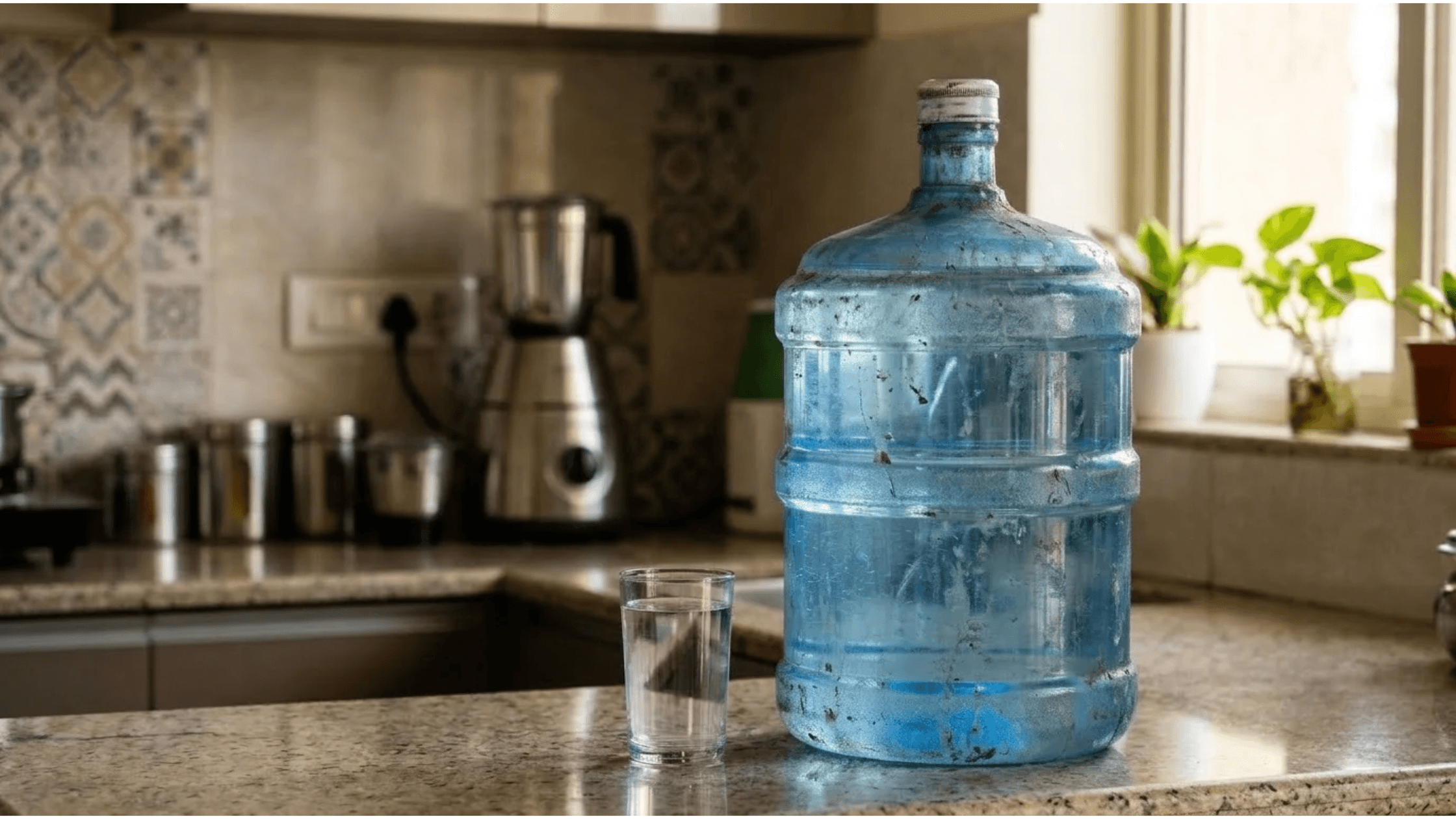
Most 20-litre water cans are made from polycarbonate or PET plastic. Over months of rough handling, rolling on concrete floors, and stacking in delivery vehicles, the plastic develops deep scuffs on the outside and microscopic scratches on the inside. Microscopic grooves inside a jar can trap bacteria and form biofilm, which is a thin layer of microorganisms that sticks to surfaces and resists ordinary rinsing.
Incomplete Washing and Unverified Refilling Units
In India, packaged drinking water is regulated under Food Safety and Standards Authority of India (FSSAI) guidelines, which require licensed plants to follow strict filtration, ozonation, and container sanitisation protocols. However, the market also contains unauthorised local refilling stations that simply rinse returned jars with plain water and seal them with generic plastic caps. When you buy a can from a local street vendor or unverified delivery agent, it is difficult to know whether the jar underwent proper multi-stage washing or was simply refilled from an untreated borewell or tanker.
Exposure to Sunlight and Heat During Delivery
Take a close look at how water cans travel across city roads. They are frequently stacked in open tempos, mini-trucks, or three-wheelers exposed directly to harsh afternoon sunlight. Prolonged heat inside a transparent blue plastic jar warms the water, accelerates the leaching of chemicals from worn plastic, and creates ideal conditions for algae and microbes to multiply—especially if trace moisture or organic matter remained inside the jar before filling.
Unsanitary Storage Before Delivery
Before reaching your doorstep, filled cans often sit outside neighbourhood shops, on dusty pavements, or in unventilated godowns. Dust, vehicle exhaust, insects, and dirty rainwater settle around the neck and cap of the jar. When the cap is removed at home without washing the neck first, surface dirt can easily fall directly into your drinking water.
Contaminated Home Dispensers and Pumps
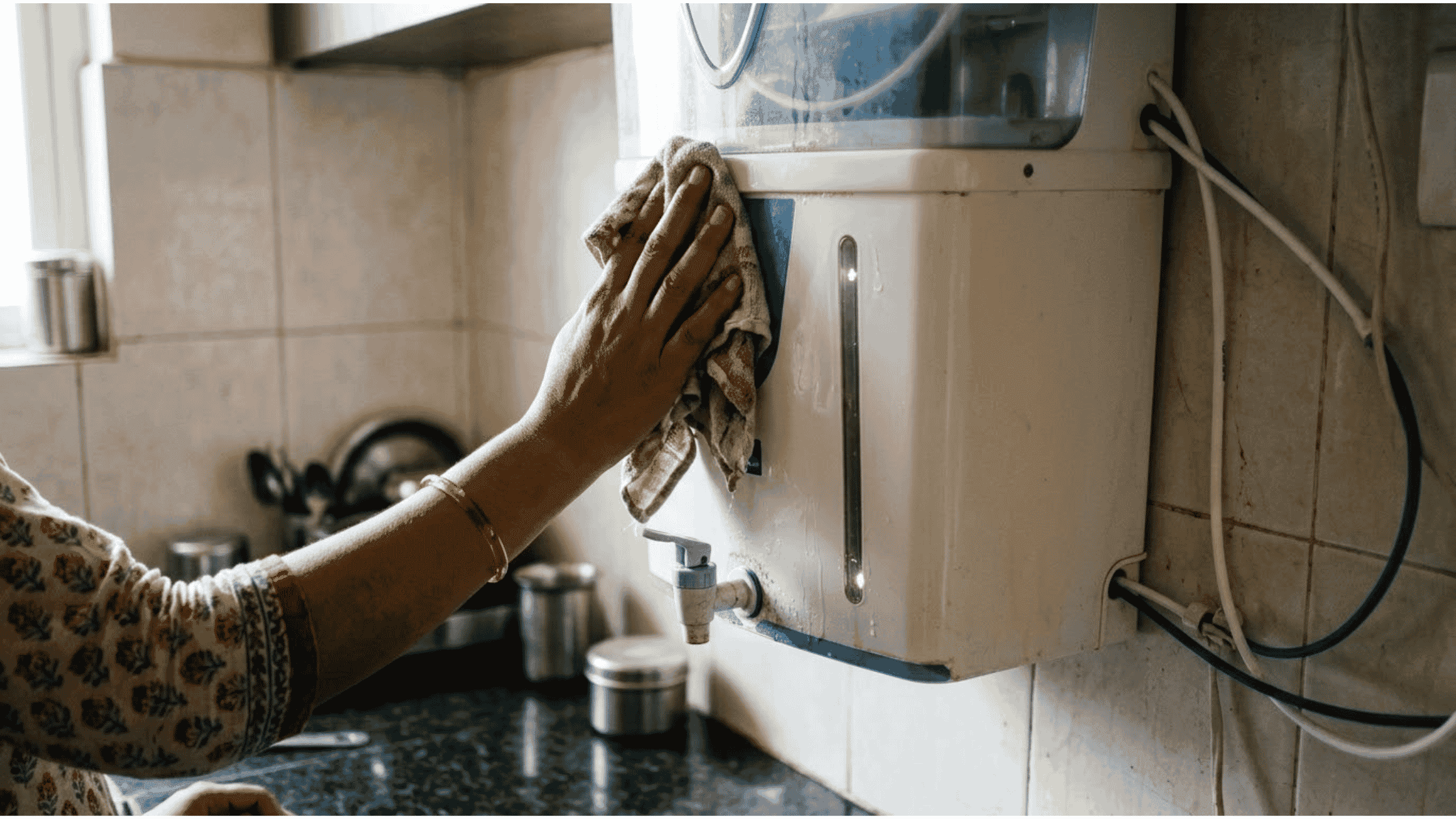
Even when a water can arrives cleanly sealed from a reputable plant, contamination often happens inside the home. Manual hand pumps, ceramic pots, and tabletop water dispensers collect dust and moisture around their spouts and internal tubing. If these accessories are not dismantled and scrubbed weekly, bacteria grow inside the tap and contaminate every glass of fresh water poured through them.
Practical Checklist: How to Check If Your Water Can Is Safe
If you currently use 20-litre water cans at home, use the following inspection routine every time a delivery arrives.
- Check for a valid FSSAI license number printed clearly on the label or neck sleeve rather than a blank, unbranded cap.
- Inspect the plastic body for heavy yellowing, deep cracks, cloudy patches, or green algae stains near the bottom.
- Hold the jar up to natural light to check for floating particles, dust, or unusual cloudiness inside the water.
- Verify that the shrink-wrap seal is intact and does not slide off easily without breaking.
- Wash the neck and top of the jar with clean tap water and soap before removing the cap or inverting it onto a dispenser.
- Store spare cans indoors away from direct sunlight, kitchen heat, and bathroom dampness.
- Clean your water dispenser, stand, or manual pump thoroughly with warm soapy water at least once a week.
Commercial Water Cans vs. Home Water Purifiers
Many residents eventually compare the ongoing effort of managing water cans with purifying tap water directly at home. Both approaches have distinct practical trade-offs depending on your living situation and local water supply.
| Factor | Commercial 20-Litre Water Cans | Home Water Purifier |
|---|---|---|
| Hygiene Control | Depends on external bottling plant, transport, and jar condition | Controlled directly inside your own kitchen |
| Container Wear | Reusable plastic jars wear out and scratch over time | Freshly purified water stored in your own clean unit or steel vessel |
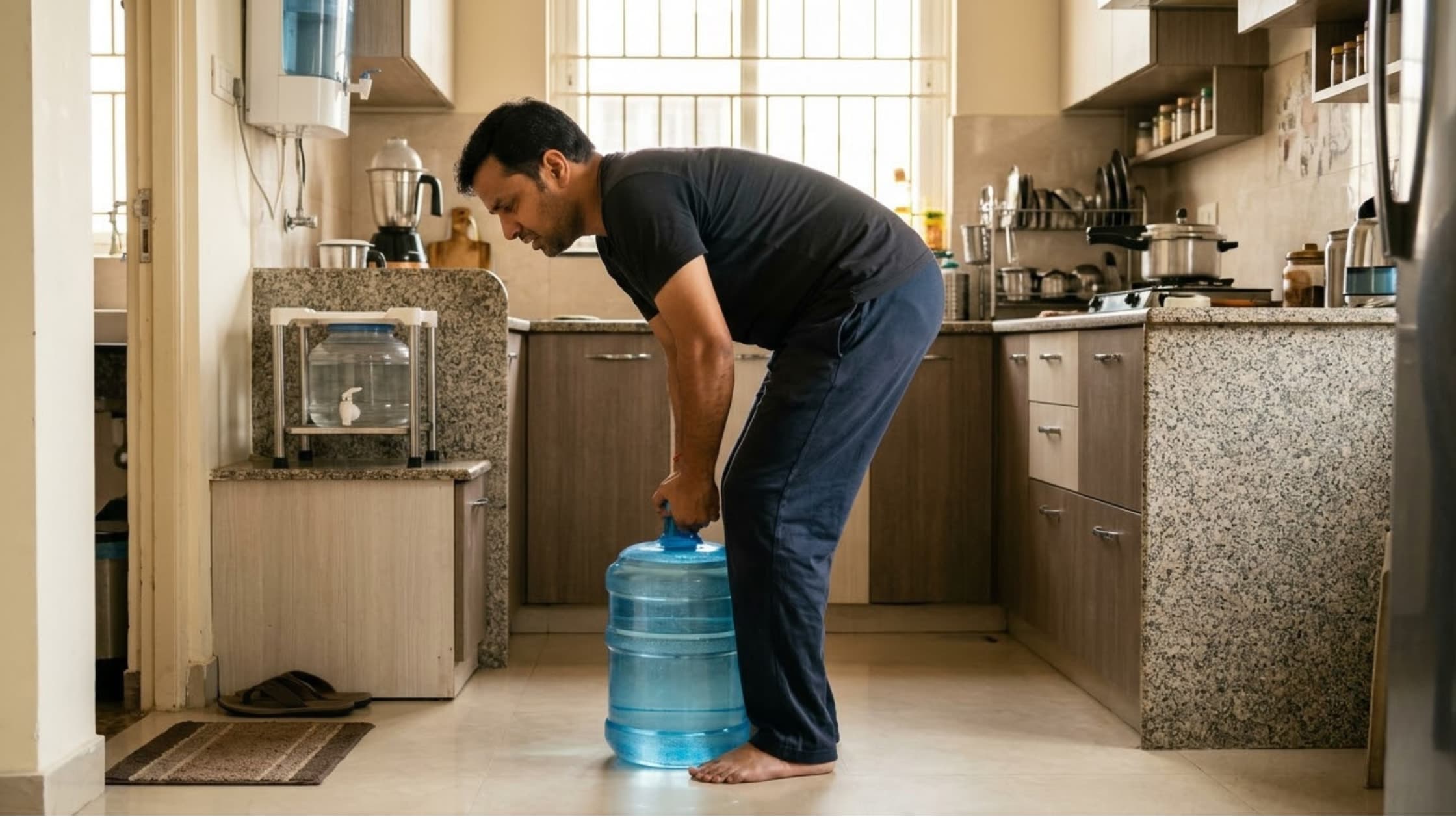
| Daily Effort | Requires tracking stock, waiting for deliveries, and lifting heavy cans | Instant access to drinking water from your kitchen tap |
| Storage Space | Empty and full jars occupy noticeable floor space | Compact wall-mounted or countertop footprint |
| Water Quality Consistency | Varies if suppliers switch brands or refill from local sources | Consistent filtration tailored to your home's input water |
Why Renting a Water Purifier Makes Sense for Tenants and Families
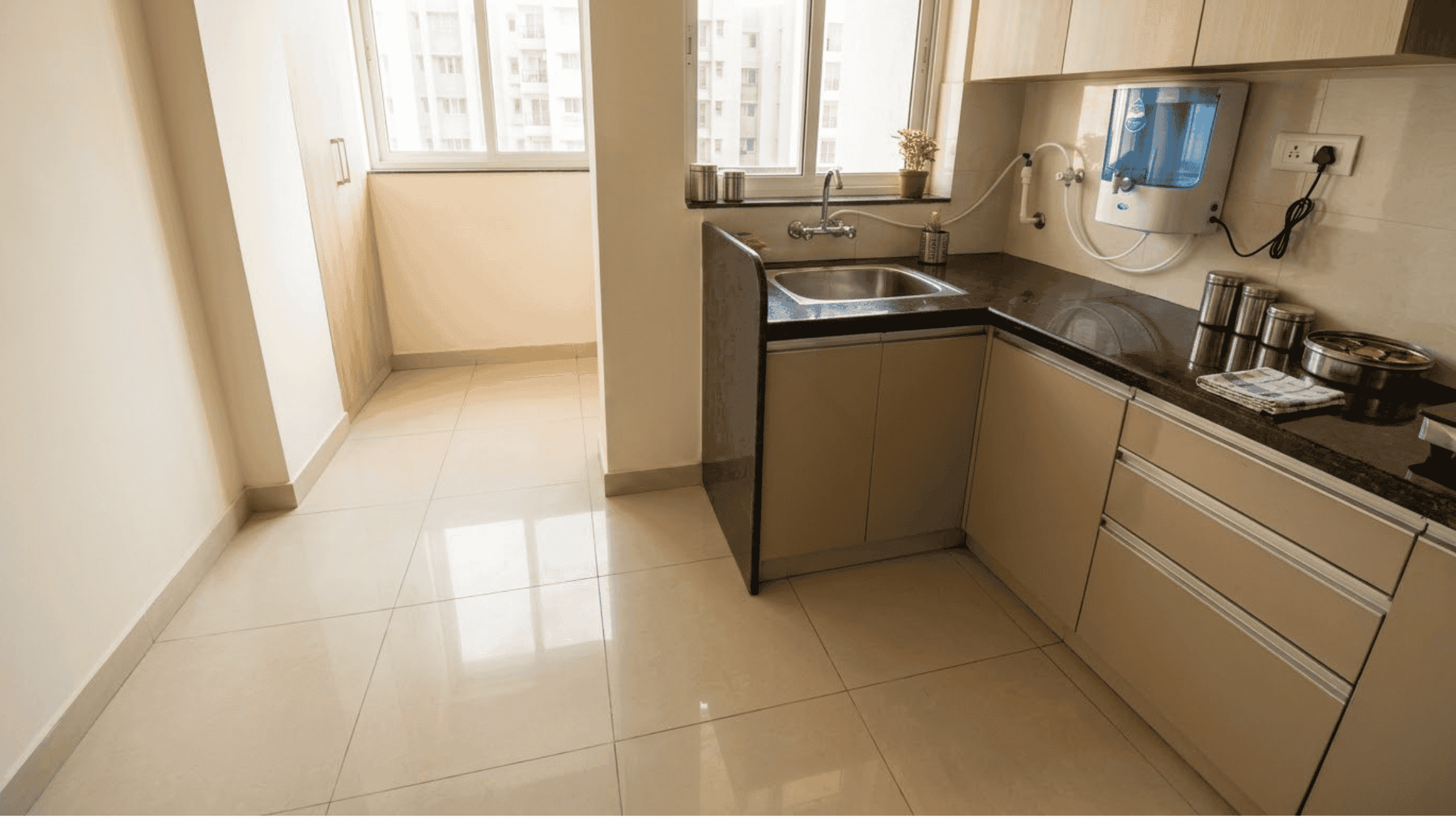
For people living in rented homes, apartments, or shared flats, buying an expensive water purifier outright can feel impractical, especially when relocation is a possibility. At the same time, continuing with commercial water cans means dealing with delivery delays, heavy lifting, and lingering doubts about jar cleanliness.
RentOMate offers a practical middle ground through its water purifier rental service. Instead of investing a large upfront sum in buying an appliance or relying on reusable plastic cans from external suppliers, households can get a water purifier installed at home on a flexible rental basis. Having a dedicated purifier in your kitchen eliminates the uncertainties of third-party jar washing, sun-exposed transport, and plastic wear, while giving you continuous access to purified water whenever you need it. [1]
Because service availability, purifier options, maintenance terms, and rental plans vary depending on your location and household requirements, readers are encouraged to visit https://rentomate.life to verify current rental terms and check address availability in their area.
Tired of worrying about the hygiene of reusable water cans or waiting on late deliveries? Visit https://rentomate.life to explore water purifier rental options and check service availability for your home.
Frequently Asked Questions
1. Question: Are all 20-litre commercial water cans unsafe to drink?
Answer: No, not all water cans are unsafe. Cans filled at properly licensed, FSSAI-compliant plants that follow strict sanitisation and quality testing generally provide safe water. The risk rises when local vendors use scratched, aging jars, skip chemical washing, or expose cans to heat and dust during transport.
2. Question: How can I tell if a water can has been locally refilled without proper purification?
Answer: Watch for warning signs such as missing or blurry FSSAI license numbers, loose caps that come off without tearing a tamper-evident seal, mismatched brand labels, or heavily scuffed and discoloured plastic jars.
3. Question: Why does water from a commercial can sometimes smell like plastic or taste stale?
Answer: A plastic taste or stale odour usually happens when a water jar has been stored in direct sunlight or high heat, causing old plastic to degrade, or when water has been sitting stagnant in a poorly ventilated storage area for too long.
4. Question: How often should I clean my water can dispenser or hand pump at home?
Answer: You should wash your water dispenser, tap, or manual pump with warm soapy water and rinse it thoroughly at least once every week. Even clean water from a sealed jar can become contaminated if it passes through a dirty spout.
5. Question: Is boiling commercial can water necessary?
Answer: If you are unsure about the source of a local water can, or if you are preparing drinking water for infants, elderly family members, or anyone with a sensitive stomach, bringing the water to a rolling boil for at least one minute adds an extra layer of safety against bacteria and viruses.
6. Question: Is a home water purifier better than ordering water cans for apartment residents?
Answer: A home water purifier gives you direct control over filtration hygiene, eliminates heavy lifting, and avoids reusable plastic jars. For tenants who do not want to buy an appliance outright, renting a water purifier through a service like RentOMate provides home purification without long-term ownership commitments.
Commercial water cans offer undeniable convenience, but their hygiene depends on factors far outside your control, from how thoroughly a jar was sanitised to how long it sat in the sun before reaching your door. Inspecting seals, rejecting heavily worn jars, and cleaning your home dispenser every week can reduce everyday contamination risks. If you want dependable, direct control over your household drinking water without the hassle of heavy jars or large upfront appliance purchases, check current rental options and address availability at https://rentomate.life.
RO water purifier on rent in Coimbatore
From ₹449/month with free installation, service and filter changes. Try it free for 7 days.
by Rent O' Mate Team