For generations, owning a home, buying household appliances, and collecting valuable possessions have been important milestones in the Indian middle-class journey. A new refrigerator, washing machine, television, or water purifier often represented progress, financial stability, and the satisfaction of building a better life. But the way people think about consumption is evolving. Today, many Indian consumers are asking a different question: “Do I really need to own this, or do I simply need to use it?” This changing Indian consumer mindset reflects a growing interest in convenience, flexibility, practical spending, and lifestyle choices. From renting furniture to subscribing to household appliances, consumers are exploring ways to enjoy the benefits of products without necessarily committing to permanent ownership. This article explores how the Indian consumer is moving from pride in possession towards pride in utility, what is driving this change, and how modern households can make smarter decisions about everyday living.
The Traditional Indian Dream: Owning More Meant Achieving More
In traditional Indian households, ownership has always carried emotional and social significance. A house represented stability. A vehicle represented independence. Household appliances represented comfort, progress, and the ability to provide a better lifestyle for the family. For many families, purchasing an appliance was a carefully planned investment. The decision involved saving money, comparing brands, discussing the purchase with family members, and choosing a product expected to serve the household for several years. Ownership was not simply about using a product. It was about building something valuable for the future. This mindset was understandable. When household budgets were limited and access to consumer products was less widespread, buying something substantial often represented a major achievement. Even today, ownership remains important to many Indian consumers. A home, vehicle, or valuable asset can provide security, independence, and a sense of accomplishment. The important difference is that ownership is no longer the only way consumers evaluate progress.
India Is Changing, and Consumer Aspirations Are Changing Too
India's consumer story is not simply moving from buying products to renting them. It is becoming more diverse. The Economic Advisory Council to the Prime Minister's study, Changes in Durable Goods Ownership in India, compares household consumption data from 2011–12 and 2023–24. It identifies significant growth in spending on durable goods and ownership of important household assets. This is an important distinction. Many Indian households are still entering the ownership economy and purchasing appliances that improve their standard of living. At the same time, some urban consumers who already have access to essential products are beginning to explore alternative ways of using them. India is experiencing two consumer journeys simultaneously: - First-time ownership, where purchasing an appliance represents progress and improved living standards. - Flexible consumption, where established consumers explore whether renting, subscribing, or accessing a product may better suit their current lifestyle. Both are valid. The right choice depends on the household, its priorities, and the product involved.
From Possession to Practical Value: What Is Really Changing?
The changing Indian consumer mindset is best understood as a shift in priorities rather than a rejection of ownership. Consumers are increasingly considering the complete experience of using a product. The questions are becoming more practical: - How frequently will I use this product? - Does buying it make financial sense for my situation? - Will I need it for several years? - How much space will it occupy? - What happens if I relocate? - Who will handle maintenance and repairs? - Is there a flexible alternative that meets my needs? This approach is particularly relevant for urban households, working professionals, young couples, students, and people living in rented apartments. The focus is gradually expanding from simply possessing a product to understanding the value it delivers throughout its useful life.
The Rise of the Access Economy in India
The access economy refers to a way of consuming products or services where people pay for the ability to use something rather than necessarily purchasing it permanently. This idea is already familiar to Indian consumers. People subscribe to entertainment platforms, use ride-hailing services, book accommodation when travelling, and rent vehicles or furniture when circumstances require it. Now, similar thinking is extending to selected household appliances. An NDTV Business report published in June 2026 discusses how subscription models are moving beyond entertainment and software into furniture, home appliances, and other consumer categories. The report identifies flexibility, convenience, and reduced upfront spending as factors behind growing interest. For consumers, the attraction is straightforward: access to a product may sometimes be more practical than purchasing it outright. For businesses, the model creates an opportunity to build ongoing customer relationships instead of relying exclusively on one-time transactions. However, the access economy works only when the service provides genuine value, clear terms, reliable support, and a satisfactory customer experience.
Why Modern Indian Consumers Are Rethinking Ownership
Changing lifestyles and consumer priorities
- Urban mobility: Professionals relocating for employment or personal reasons may prefer household solutions that are easier to manage when moving.
- Practical financial planning: Consumers may want to avoid committing a large amount of money to products they expect to use only temporarily.
- Space-conscious living: Apartment residents often need to consider available space before purchasing furniture and appliances.
- Convenience: Some consumers value the time and effort saved through a well-managed rental or subscription service.
- Changing expectations: Younger consumers may be more comfortable exploring digital subscriptions, flexible services, and alternative consumption models.
- Product usage: Consumers are increasingly considering whether they need permanent ownership or simply dependable access to a product.
- Lifestyle flexibility: People may prefer choices that can adapt when their family size, employment, location, or living arrangements change.
These factors do not affect every household equally. A family planning to remain in the same home for many years may have different priorities from a professional expecting to relocate within a year.
Pride in Utility: A New Definition of Smart Living
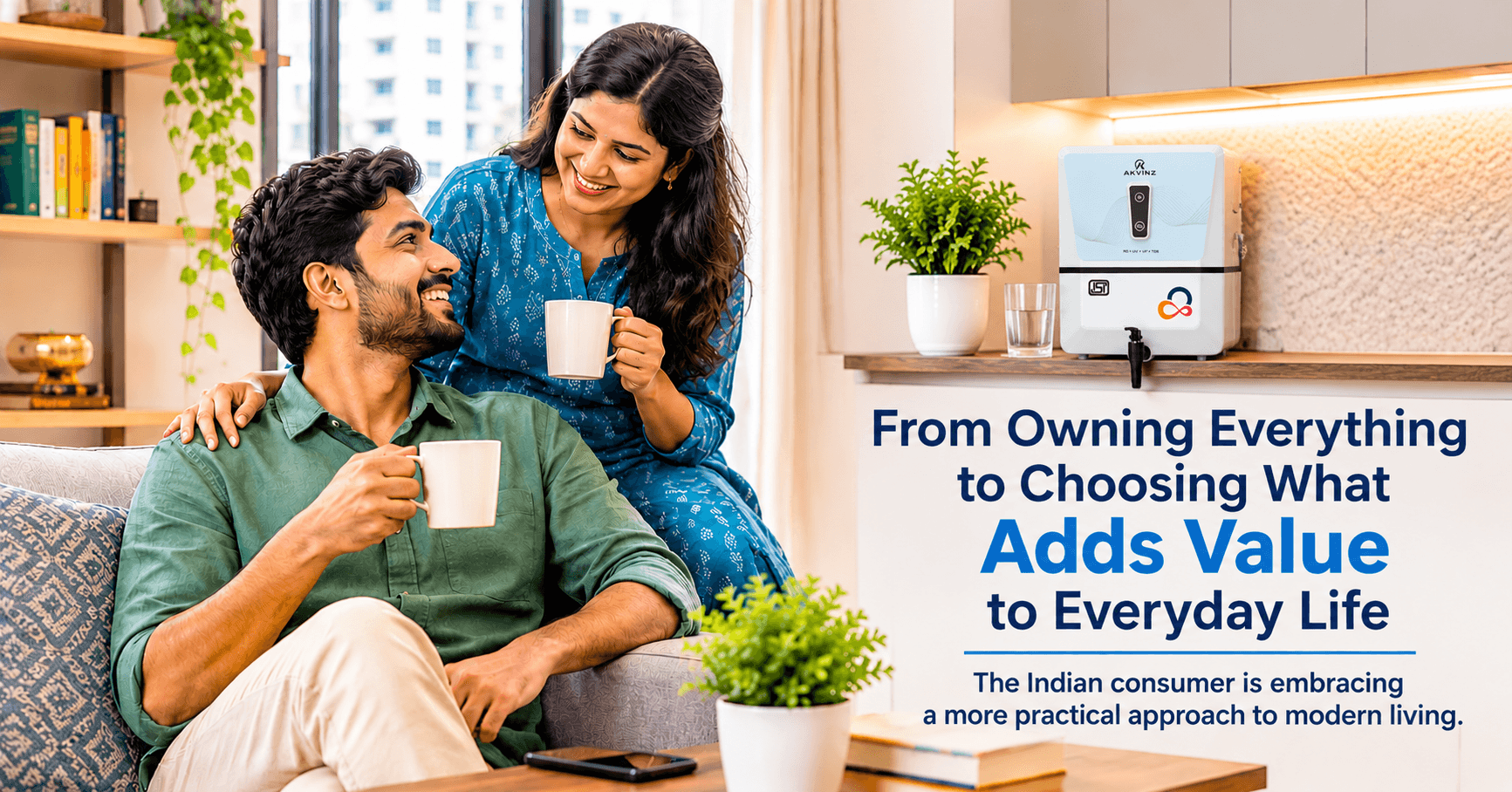
Pride in utility means feeling satisfied with the value a product delivers rather than measuring success only by the number of possessions accumulated. It is about choosing products and services that genuinely improve everyday life. Consider two households. One household purchases several appliances because ownership represents a long-term investment in its home. Another household chooses to purchase some appliances while renting others because it wants flexibility and prefers to avoid unnecessary commitments. Neither household is making an inferior decision. The difference lies in understanding personal needs and choosing accordingly. Smart living is not about owning less at any cost. It is about making thoughtful choices that support comfort, convenience, financial priorities, and family wellbeing. A useful product is valuable because it serves its purpose. Whether it is purchased or rented is a separate decision.
Buying vs Renting: Which Approach Makes Sense?
| Consideration | Buying | Renting |
|---|---|---|
| Upfront spending | Usually involves a purchase payment | May involve a lower initial payment, depending on the rental terms |
| Ownership | You own the product | You use the product under a rental agreement |
| Long-term use | Often suitable for products used for many years | May suit temporary or changing requirements |
| Moving homes | You may need to transport the product | May offer flexibility, depending on service terms and location |
| Maintenance | Responsibility depends on warranty and service arrangements | Responsibility depends on the rental agreement |
| Product selection | You choose a product to own | You choose from available rental options |
| Financial planning | Consider purchase cost and ongoing expenses | Consider total rental payments and applicable charges |
| Best suited for | Long-term needs and ownership preferences | Situations where flexibility and access are priorities |
There is no universal winner between buying and renting. For example, purchasing a washing machine may make sense for a family that expects to use it for many years and has suitable space. Renting a furniture item may be more practical for someone moving into a temporary apartment. The decision should depend on the total cost, usage period, convenience, service terms, and personal preferences. A rental arrangement should never be assumed to be cheaper simply because the monthly payment appears smaller. Consumers should compare the complete cost over the expected usage period.
Why Water Purifier Rental Fits the Changing Indian Consumer
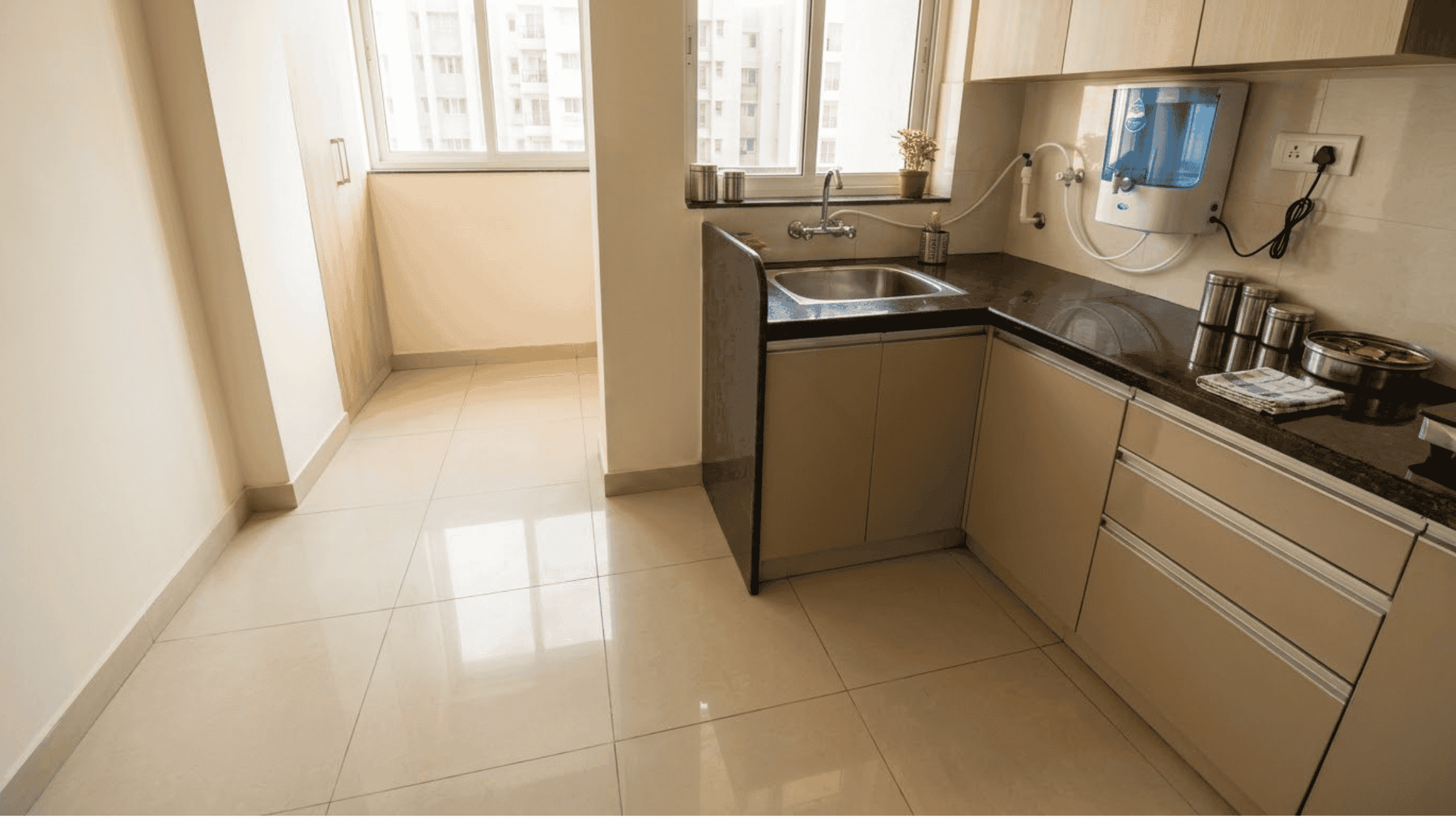
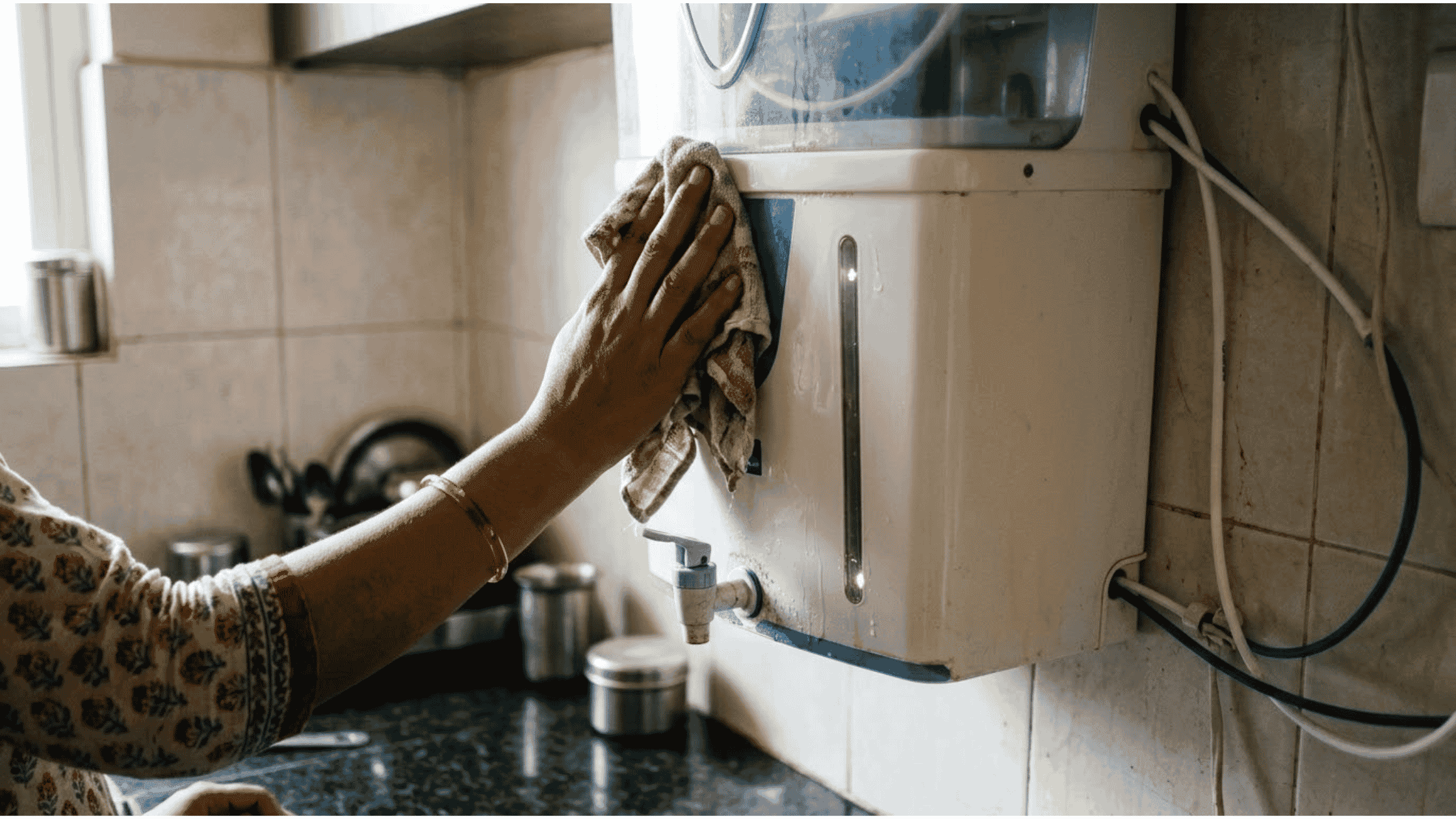
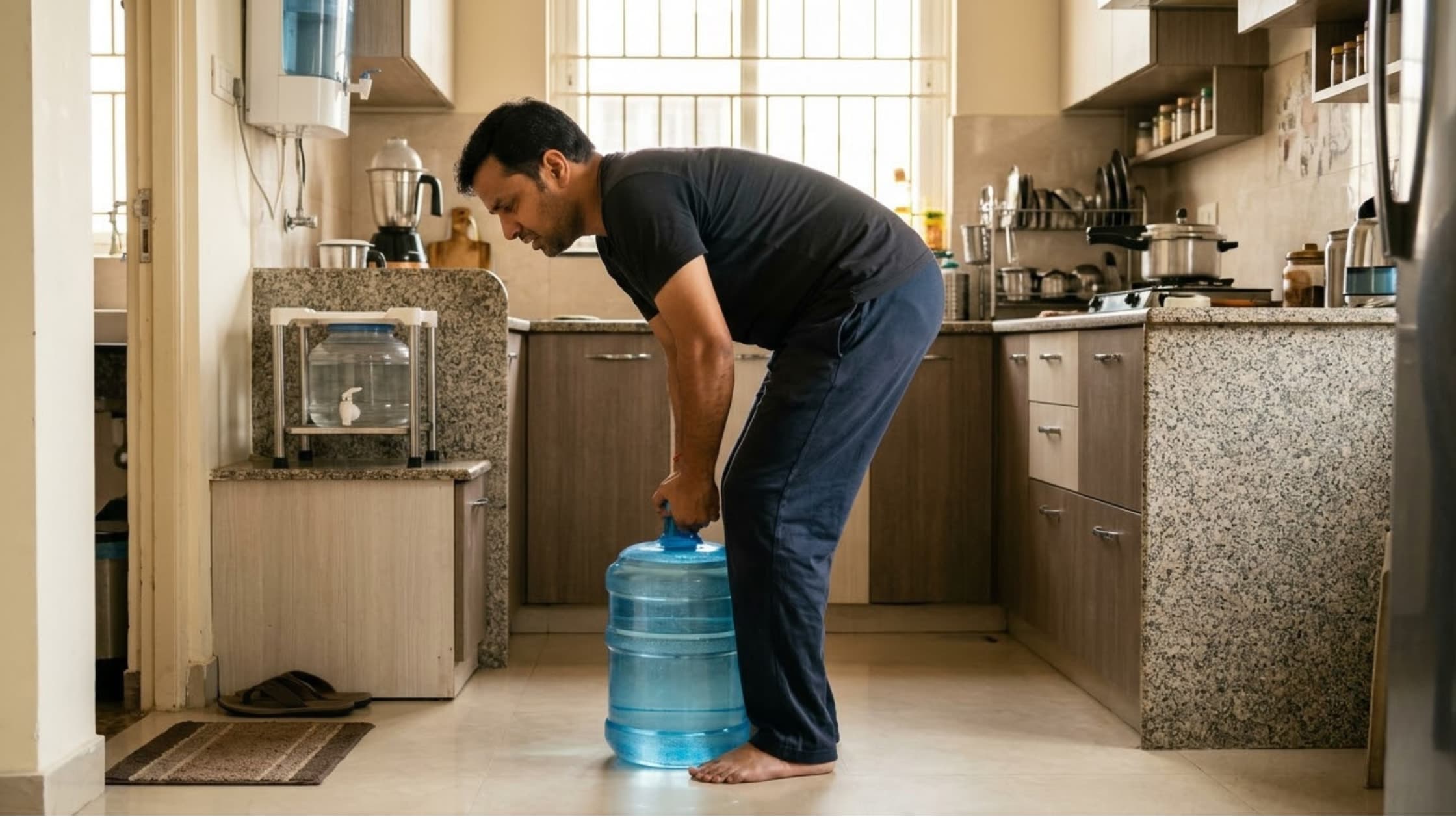
A water purifier is an interesting example of the difference between owning a product and valuing the utility it provides. For households, the everyday objective is access to drinking water that meets their needs and is appropriate for their local water conditions. But purchasing a water purifier may involve several considerations: - The initial purchase cost. - Choosing a suitable purification technology. - Available space in the kitchen. - Installation requirements. - Maintenance and replacement requirements. - Whether the household expects to relocate. For tenants, working professionals, newly married couples, and people living in temporary accommodation, these considerations can make flexibility particularly relevant. Water purifier rental offers an alternative for households that prefer using a purifier without purchasing the appliance outright. The important point is that rental should not be viewed only as a financial decision. It can also be a lifestyle decision based on convenience, usage, and changing household needs.
RentOMate: Making Everyday Utility a Smarter Choice
At RentOMate, the philosophy is simple: Own Less. Live Smart. RentOMate offers water purifier rental as an alternative for consumers who want to explore the benefits of using a water purifier without necessarily purchasing the appliance. For people living in Coimbatore and considering a water purifier for rental, the idea aligns with a practical approach to modern living. Instead of making ownership the automatic first choice, consumers can explore whether renting fits their lifestyle, household requirements, and financial preferences. RentOMate encourages customers to make informed decisions based on their actual needs. Explore the available product range and current rental information at RentOMate. Before subscribing, confirm the latest rental plans, applicable charges, service inclusions, installation terms, and availability for your address directly with RentOMate.
Thinking about a smarter way to enjoy pure water at home? Explore water purifier rental options with RentOMate. Visit https://rentomate.life to discover the available product range and check whether rental suits your household. Rent smart. Live more. Own less.
Frequently Asked Questions
1. Q1. Is the Indian consumer moving away from ownership?
Not entirely. Ownership remains important for many Indian households. However, some consumers are exploring renting and subscription services when flexibility, convenience, or temporary access better suits their needs.
2. Q2. What does pride in utility mean?
Pride in utility means valuing the practical benefits a product delivers rather than measuring success only by owning it. It focuses on usefulness, convenience, and how well a product fits everyday life.
3. Q3. Why are Indian consumers increasingly interested in rental services?
Factors such as relocation, changing lifestyles, upfront spending, limited space, and convenience may encourage consumers to explore rental services. The importance of each factor varies by household.
4. Q4. Is renting household appliances always cheaper than buying?
No. Renting may reduce the initial financial commitment, but the total cost depends on the rental duration, monthly payments, applicable charges, and purchase price. Consumers should compare the complete costs before deciding.
5. Q5. Is water purifier rental suitable for people living in rented apartments?
It may be suitable for tenants who prefer flexibility or do not want to purchase an appliance for temporary accommodation. Consumers should confirm installation requirements, rental terms, relocation arrangements, and service availability before subscribing.
6. Q6. What should I check before renting a water purifier?
Consider the water source and quality, suitable purification technology, rental duration, total cost, installation requirements, maintenance responsibilities, service terms, and availability at your address.
7. Q7. How can I explore water purifier rental in Coimbatore?
Visit RentOMate to explore its available water purifier range. Contact the team to confirm current rental plans, terms, and availability for your location.
Conclusion: The Future Belongs to Smarter Choices
The evolution of the Indian consumer is not about giving up the dream of ownership. It is about expanding the choices available to achieve a better lifestyle. For some households, buying remains the most practical and rewarding decision. For others, renting or subscribing may offer a more suitable way to access everyday products. The real change is in how consumers define value. Instead of automatically asking, “What should I own next?”, they are increasingly asking, “What will genuinely improve my life?” That is the essence of pride in utility. Whether you are furnishing a new apartment, relocating for work, or exploring water purifier rental in Coimbatore, make choices that support your lifestyle, financial priorities, and everyday needs. At RentOMate, we believe modern living should be about enjoying more of what matters. Own Less. Live Smart. Explore RentOMate and discover a smarter approach to everyday water purifier needs.
RO water purifier on rent in Coimbatore
From ₹449/month with free installation, service and filter changes. Try it free for 7 days.
by Rent O' Mate Team