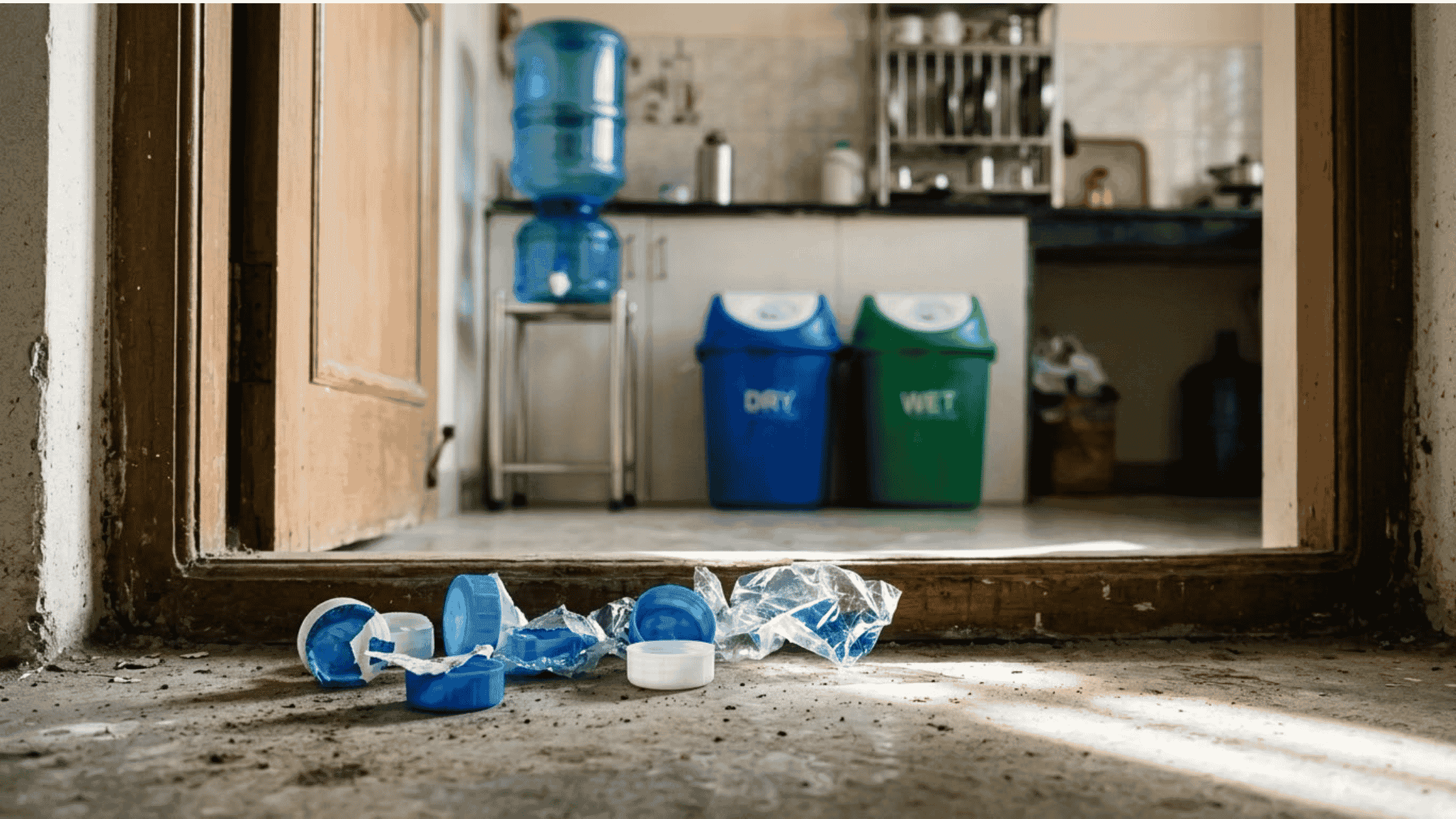
Every week, millions of households use drinking water containers, bottles and other plastic packaging products as part of their daily routines. Once the water is consumed, the container may be returned, reused or discarded, but what happens to its plastic cap? Often, it ends up in a dustbin, mixed with household waste or sometimes thrown away carelessly. The environmental impact of plastic can caps is easy to overlook because each cap is small and lightweight. However, repeatedly discarding these items creates avoidable plastic waste. Over time, small everyday habits contribute to a much larger environmental challenge. Understanding what happens to these caps and making better choices can help households move towards more responsible water consumption.
Why Do Plastic Water Can Caps Become an Environmental Concern?
Plastic caps are designed to close containers securely and help prevent leakage and contamination during storage and transportation. They are commonly made from plastic materials such as polypropylene (PP) or high-density polyethylene (HDPE), depending on the product design. Despite their small size, caps are frequently separated from the containers they belong to. Some may enter the recycling system, while others become mixed with household waste or escape into the environment. The United Nations Environment Programme (UNEP) explains that plastic pollution is not limited to visible litter. Plastic production, consumption and disposal create environmental impacts throughout the material's life cycle, including greenhouse gas emissions and pollution affecting land and water.
One Plastic Cap Every Week: How Much Waste Does It Create?
Consider a simple household example. A family that throws away one plastic water can cap every week may not feel that it is creating much waste. However, the annual total tells a different story.
| Time period | Plastic caps discarded |
|---|---|
| One week | 1 |
| One month (approximately) | 4 |
| Six months | 26 |
| One year | 52 |
| Five years | 260 |
| Ten years | 520 |
Illustrative calculation based on one discarded cap per week. These figures represent the number of caps, not their total weight or measured environmental impact.
Now imagine hundreds or thousands of households following the same habit. The number of discarded caps increases quickly. The concern is not simply the quantity of plastic in one household. It is the combined effect of repeated consumption and disposal across communities. Small changes in everyday behaviour can help reduce this avoidable waste.
Environmental Effects
How Do Discarded Plastic Caps Affect the Environment?
1. Plastic Pollution in Land and Water
Plastic caps that are not properly collected can become litter in streets, drains, open spaces and water bodies. Rainwater and surface runoff can carry lightweight plastic waste into canals, rivers and eventually marine environments. Unlike organic waste, conventional plastic does not readily biodegrade. It can persist in the environment and gradually break into smaller pieces. These smaller plastic particles are commonly known as microplastics when they are less than five millimetres in size. Plastic pollution can affect wildlife and ecosystems, making proper waste management important.
2. Harm to Birds and Aquatic Animals
Small plastic objects can create risks for birds, fish and other animals when they are discarded in natural environments. Animals may mistake plastic fragments for food or become exposed to plastic pollution through their surroundings. The impact depends on the type of plastic, the location and the species involved. Preventing plastic waste from entering open spaces and water bodies is therefore an important part of protecting biodiversity.
3. Environmental Cost of Plastic Production
Plastic waste does not begin its environmental journey when a cap is thrown away. Its impact starts much earlier. Many conventional plastics are produced using fossil fuel-based raw materials. Manufacturing involves energy, industrial processes and transportation. Even a small cap requires resources to manufacture and distribute. UNEP highlights that plastic production is associated with greenhouse gas emissions and that addressing plastic pollution requires considering the complete life cycle, from raw material extraction to disposal.
4. Missed Opportunities for Recycling
Plastic caps are not automatically unrecyclable. Depending on their material, condition and local recycling facilities, some can be recovered and processed. However, recycling depends on proper collection, segregation, sorting and processing. When caps are mixed with wet waste or thrown into open spaces, recovering them becomes more difficult. The European Commission has also highlighted the problem of caps becoming separated from beverage containers. Its single-use plastics initiative includes requirements for certain beverage containers to have caps that remain attached during intended use. This is an example of how product design can help reduce litter.
Why Small Household Habits Matter
Environmental responsibility does not always require major lifestyle changes. Many improvements begin with simple household decisions. For example, a family can pay attention to how often it purchases packaged drinking water, how it handles empty containers and whether recyclable materials are separated from wet waste. In Coimbatore and other growing cities in Tamil Nadu, household waste management is an important part of maintaining cleaner neighbourhoods. The Tamil Nadu Pollution Control Board publishes information on plastic waste management, collection and recycling activities across the state.
Practical Ways to Reduce Plastic Water Can Cap Waste
- Avoid unnecessary consumption of single-use plastic packaging.
- Choose suitable reusable drinking water containers where practical.
- Return refillable water cans to the supplier when the service is designed for container reuse.
- Do not throw plastic caps into streets, drains or open spaces.
- Keep recyclable plastic waste separate from wet household waste.
- Check whether your local waste collector accepts plastic caps for recycling.
- Follow the disposal instructions provided by your local municipality or authorised waste collector.
- Encourage family members and children to develop responsible waste segregation habits.
- Avoid burning plastic waste, as burning plastic can release harmful pollutants.
- Prefer products and services that help reduce unnecessary packaging waste, wherever practical.
Can Plastic Caps Be Recycled?
Yes, certain plastic caps can be recycled, depending on their material and the facilities available in the local waste management system. However, not every recycling centre accepts every type of plastic cap. Different plastics may require separate sorting and processing. Before disposing of caps, households should follow local recycling instructions. If the cap belongs to a refillable water container, check whether the supplier has a collection or replacement process. Do not assume that every cap can be reused safely or that every recycling facility accepts it.
Smarter Drinking Water Choices
Rethinking the Way We Consume Drinking Water
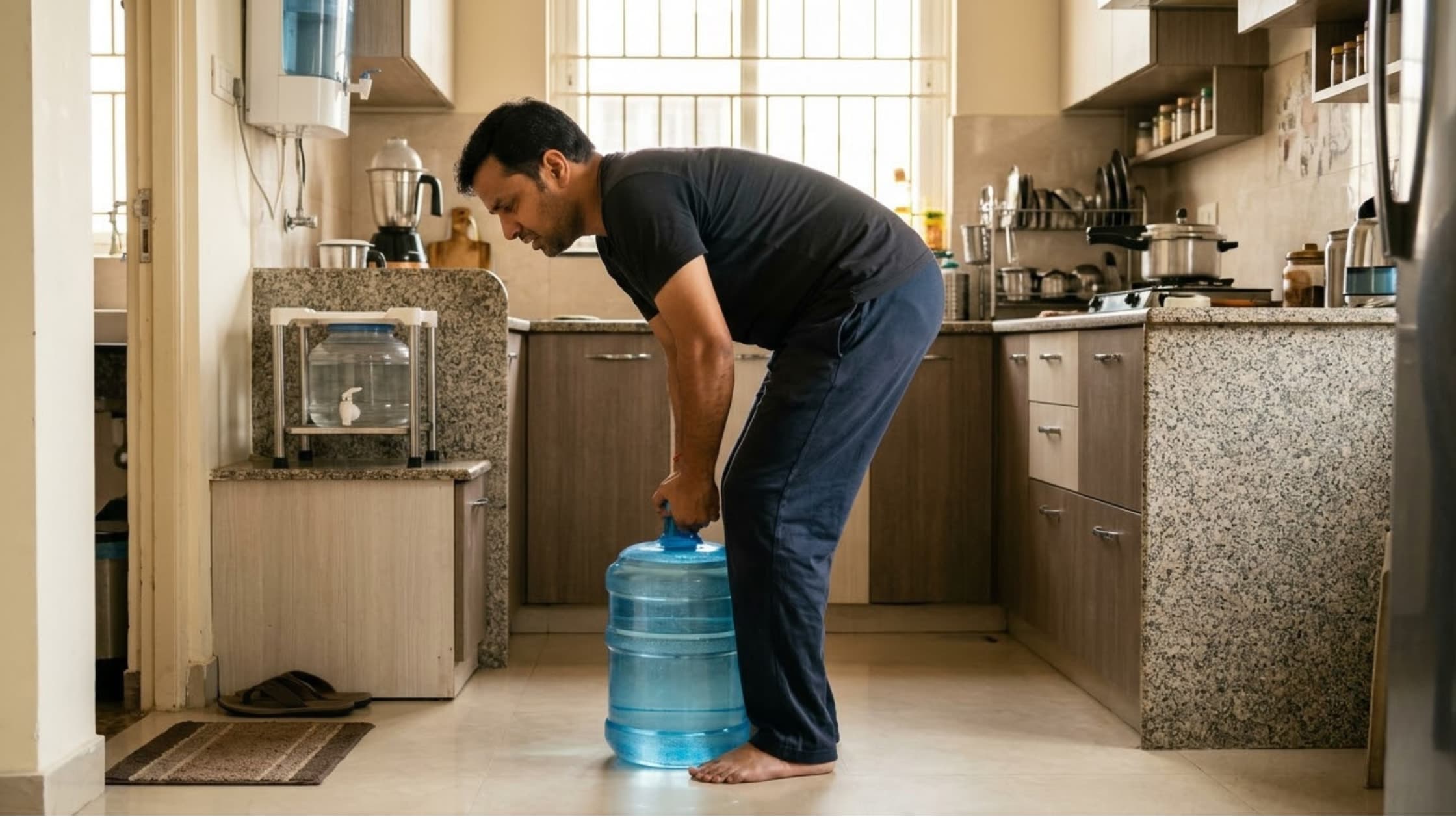
Access to safe and convenient drinking water is essential for every household. However, the way we obtain and consume drinking water also deserves attention. Some households depend on packaged drinking water bottles, while others regularly purchase larger water cans. These choices may involve repeated packaging, transportation and waste generation. A more thoughtful approach is to consider household drinking water requirements, available purification options, convenience and the amount of packaging waste generated over time. This does not mean that every packaged water product or refillable container has the same environmental impact. The actual impact depends on packaging materials, transportation distances, reuse cycles, purification methods and end-of-life waste management.
Can a Household Water Purifier Help Reduce Packaging Waste?
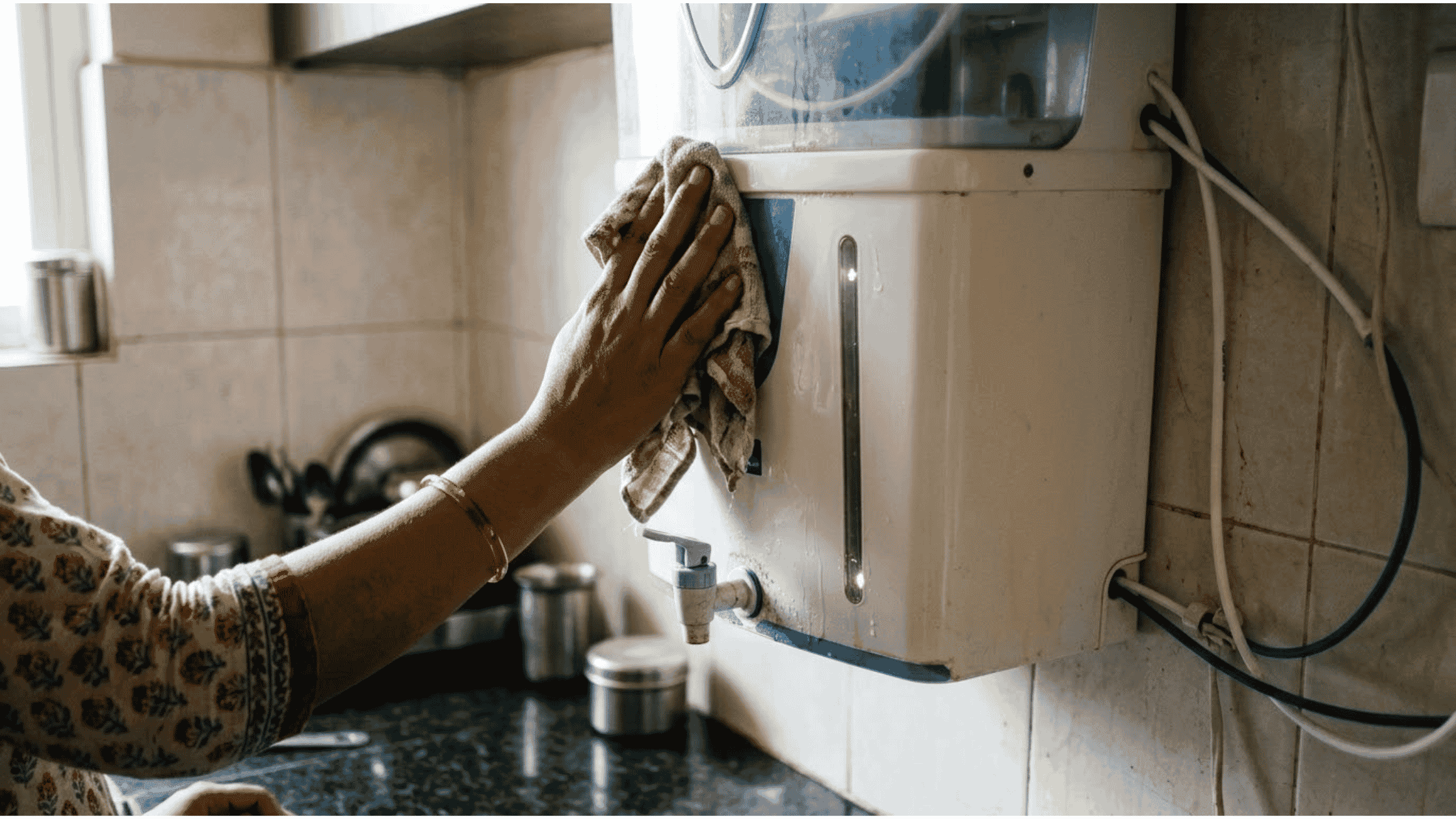
A household water purifier can be an alternative to repeatedly purchasing packaged drinking water, provided that the household has a suitable water source and the purifier is selected according to the water quality and treatment requirements. Unlike a system that depends on purchasing a new packaged drinking water container for every refill, a household purifier treats water at the point of use. This can help reduce dependence on certain types of disposable water packaging. However, a purifier is not completely waste-free. It may involve filter replacements, rejected water depending on the technology, packaging and eventual equipment disposal. Responsible maintenance and proper disposal of used components remain important. The most suitable choice depends on the household's water quality, consumption, budget and lifestyle.
How RentOMate Supports Smarter Water Consumption
RentOMate believes that everyday household choices can become smarter and more practical when convenience, utility and responsible consumption are considered together. RentOMate provides water purifier rental services for households looking for an alternative to purchasing and owning a water purifier outright. For families, students, working professionals, tenants and people who frequently relocate in Coimbatore, renting may offer an alternative way to access a household water purification system without making an upfront equipment purchase. Using a household water purifier instead of repeatedly depending on packaged drinking water may help reduce certain types of packaging waste. However, the actual environmental benefit depends on usage patterns, water sources, equipment maintenance and waste disposal. RentOMate encourages consumers to think beyond convenience and consider how their everyday drinking water choices can contribute to more responsible resource consumption. Visit the official website to explore the available options and verify the latest rental terms and service availability.
Explore smarter drinking water choices with RentOMate. Visit : www.rentomate.life to learn about water purifier rental options in Coimbatore. Own Less. Live Smart.
Frequently Asked Questions
1. Q1. Why are plastic water can caps harmful to the environment?
Plastic water can caps contribute to plastic waste when they are discarded without proper collection or recycling. If they enter the environment, they can become litter, break into smaller plastic particles and affect wildlife and ecosystems.
2. Q2. How many plastic caps does a household throw away in one year if it discards one every week?
A household discarding one plastic cap every week throws away approximately 52 caps in a year. The number increases further when multiple family members follow the same consumption pattern.
3. Q3. Are plastic water can caps recyclable?
Some plastic caps can be recycled, depending on their material and the capabilities of local recycling facilities. Households should separate recyclable waste and check local collection guidelines.
4. Q4. Do plastic caps take a long time to decompose?
Conventional plastic caps do not readily biodegrade like organic materials. They can persist in the environment and gradually fragment into smaller plastic particles. Their breakdown depends on environmental conditions and material composition.
5. Q5. Can plastic water can caps be reused?
Some caps may be designed for repeated use, while others are intended for a single use or have tamper-evident features. Reuse should depend on the manufacturer's instructions, the condition of the cap and hygiene requirements.
6. Q6. Can using a household water purifier reduce plastic waste?
Using a suitable household water purifier can reduce dependence on certain packaged drinking water containers. However, purifiers also generate waste through filters, packaging and eventual equipment disposal. Their overall environmental impact depends on how they are used and maintained.
7. Q7. What can Coimbatore households do to reduce plastic waste?
Households in Coimbatore can reduce unnecessary plastic consumption, use suitable reusable containers, segregate dry and wet waste, follow local recycling guidelines and ensure that plastic waste reaches authorised collection and recycling channels.
8. Q8. Is renting a water purifier a more sustainable choice than buying packaged drinking water?
It may help reduce dependence on repeatedly purchased packaged drinking water, depending on household usage and the alternative being compared. However, renting does not automatically make a water purification system environmentally sustainable. Equipment lifespan, maintenance, filter disposal, transportation and packaging must also be considered.
Small Changes Today Can Reduce Tomorrow's Plastic Waste
A plastic water can cap may be small, but repeatedly throwing it away is a reminder of how everyday consumption contributes to a larger environmental challenge. One cap every week becomes 52 caps in a year, and this simple example shows why responsible consumption matters. Reducing unnecessary plastic use, choosing reusable options where suitable, returning refillable containers and segregating recyclable waste are practical steps every household can take. Drinking water is a daily necessity, but the way we access it can be more thoughtful. Consider suitable household purification options, maintain equipment responsibly and dispose of used filters and plastic components through appropriate waste channels. At RentOMate, we believe in making everyday living smarter and more convenient. Explore our water purifier rental options at https://rentomate.life. Own Less. Live Smart.
RO water purifier on rent in Coimbatore
From ₹449/month with free installation, service and filter changes. Try it free for 7 days.
by Rent O' Mate Team