link textWhen the monsoon arrives in India, many households become more cautious about drinking water. Heavy rainfall, overflowing drains, muddy surroundings and concerns about water contamination often encourage families to boil water before drinking it. Boiling is a familiar and useful precaution, but boiling water during the monsoon may not be enough if the water contains industrial runoff or dissolved chemical pollutants. This distinction matters for households in Coimbatore and across Tamil Nadu, particularly those using water from different sources or noticing changes in water quality after heavy rainfall. This article explains what boiling can do, what it cannot remove, how industrial runoff can affect water sources, and what practical steps households can take.
Why Does Water Safety Become a Concern During the Monsoon?
The monsoon brings much-needed rainfall to Tamil Nadu, but heavy rain can also change how water moves through the environment. Rainwater flows across roads, agricultural land, industrial premises, construction sites and other surfaces before reaching drains, streams, lakes or groundwater recharge areas. Along the way, it may carry soil, waste, organic matter and other pollutants. This movement of rainwater across land is called surface runoff. When runoff passes through an industrial area, it may potentially carry substances associated with industrial activities, depending on the materials present, the site's drainage and pollution-control practices. It is important to understand that rainfall does not automatically mean water is contaminated. The actual risk depends on the water source, surrounding land use, pollution controls and the quality of the water being supplied.
What Is Industrial Runoff, and How Can It Affect Drinking Water?
Industrial runoff refers to rainwater or surface water that flows over or through industrial areas and may collect pollutants from the surfaces it passes. Depending on the activities and materials present, potential contaminants may include: - Metals from industrial processes or materials. - Chemical residues from manufacturing or storage areas. - Oils and petroleum-related substances from contaminated surfaces. - Suspended solids and other pollutants carried by rainwater. These substances do not behave identically in water. Some may remain dissolved, while others may attach to particles or settle under certain conditions. If polluted runoff reaches a water source used for drinking, it may affect water quality. However, the presence and concentration of any contaminant must be established through appropriate testing rather than assumed from rainfall alone.
How Can Monsoon Runoff Reach Household Water Sources?
Industrial runoff does not necessarily enter household drinking water directly. There are several possible pathways through which environmental contamination could affect a water source.
- Surface water sources: Runoff may enter streams, lakes, reservoirs or other water bodies that receive rainfall and drainage.
- Groundwater recharge: Rainwater can infiltrate the ground. Whether contaminants reach groundwater depends on soil conditions, geology, contaminant characteristics and other factors.
- Water distribution systems: Water quality may be affected by problems within a supply or distribution system, including infrastructure damage or other contamination events.
- Household storage: Poorly maintained storage tanks or uncovered containers can introduce separate contamination risks.
- For households in Coimbatore, the important question is not simply whether it has rained heavily, but where the drinking water comes from and whether its quality has been verified.
What Does Boiling Water Actually Remove?
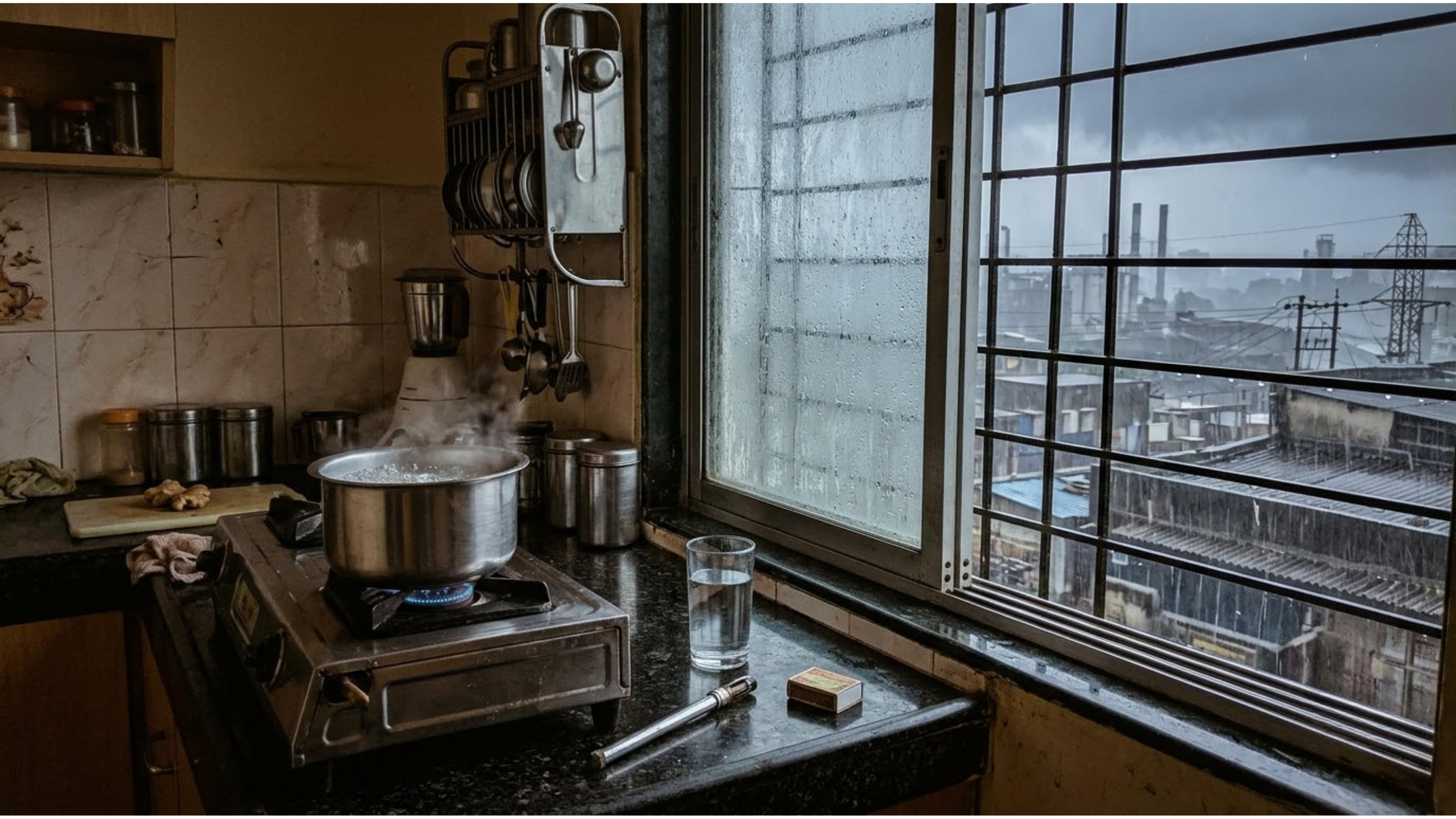
Boiling is primarily a method of disinfection. Disinfection means reducing or inactivating harmful microorganisms that can cause illness. Heating water to a rolling boil is an effective household method for killing many disease-causing bacteria, viruses and parasites. The US Centers for Disease Control and Prevention (CDC) recommends bringing clear water to a rolling boil for one minute in its emergency household water guidance. This advice is intended for microbiological safety, not chemical contamination. Boiling is particularly useful when the concern is contamination by microorganisms and authorities recommend boiling as a precaution. However, water can contain different categories of contaminants, and each requires an appropriate treatment method.
| Contaminant or concern | Does boiling help? |
|---|---|
| Many disease-causing bacteria | Yes, boiling can kill them. |
| Many viruses and parasites | Yes, boiling can inactivate many of them. |
| Suspended dirt and particles | No, boiling does not remove them. |
| Dissolved heavy metals | No, boiling does not reliably remove them. |
| Many industrial chemicals | No, boiling is not a reliable removal method. |
| Chemical contamination of unknown type | Boiling alone is not sufficient. |
This comparison is based on householdwater treatment guidancefrom the CDC and US Environmental Protection Agency (EPA).
Why Boiling Water During the Monsoon Isn't Enough to Remove Industrial Runoff
The main limitation of boiling is that heat does not remove many dissolved chemical contaminants from water. When water boils, heat can inactivate microorganisms. However, dissolved chemicals and metals may remain in the water. For example, boiling does not remove lead or arsenic from drinking water. The CDC and EPA specifically explain that boiling is not an effective method for removing these contaminants. This is important because industrial runoff may contain chemical pollutants rather than only microorganisms. A household may boil water carefully and still have no reliable information about whether dissolved chemical contaminants are present.
Can Boiling Make Certain Chemical Contaminants More Concentrated?
In some circumstances, boiling can increase the concentration of contaminants that remain in the water. As water evaporates, substances that do not evaporate with it may become more concentrated in the remaining liquid. The extent of this effect depends on the contaminant and the amount of water lost. This does not mean every chemical becomes more concentrated during boiling. Different chemicals behave differently, and some may evaporate or undergo other changes. The practical takeaway is simple: do not rely on boiling to treat water suspected of chemical contamination. The EPA advises that boiling or disinfecting water will not destroy many contaminants, including heavy metals, salts and most chemicals.
Does Clear, Odourless Water Mean It Is Safe?
Not necessarily. The appearance, smell and taste of water can provide useful warning signs, but they cannot establish whether water is chemically safe. Some contaminants may affect colour, taste or odour. Others may be present without noticeable changes. For example, water containing certain dissolved metals or chemicals may appear clear. Therefore, clear water should not automatically be considered free from contamination. If your water source is near an industrial area, has experienced a suspected contamination event, or has changed unexpectedly after heavy rainfall, consider arranging appropriate water quality testing.
Remember: A normal appearance is not a substitute for a water quality assessment.
What Should Coimbatore Households Do During the Monsoon?
Coimbatore experiences seasonal rainfall, and households may use different drinking water sources depending on their location and arrangements. Residents in apartments, independent houses and rented homes may receive water through municipal supply, private borewells, tankers or other sources. Each source can have different water quality considerations. There is no single treatment method that can be assumed suitable for every household. Instead of relying only on seasonal habits, consider these practical steps.
- Identify your drinking water source, whether it is municipal supply, borewell, tanker or another source.
- Check whether your water supplier or local authority has issued any water quality advisory.
- If water suddenly becomes unusually cloudy, discoloured or develops an unfamiliar smell, investigate the cause rather than assuming boiling will solve it.
- Arrange appropriate water testing if chemical contamination is suspected.
- Ask the testing laboratory which contaminants should be included based on your water source and potential pollution risks.
- Follow official instructions during water contamination alerts or emergency advisories.
- Keep household water storage tanks, containers and drinking water vessels clean and covered.
- Avoid consuming water from a source suspected of chemical contamination until its safety has been assessed.
How Should You Choose a Water Purification Method?
Choosing a water purification method requires understanding the water itself. A method that helps reduce microorganisms may not remove dissolved chemicals. Similarly, a filter designed to remove particles may not be effective against every dissolved contaminant. The CDC explains that household water treatmentdecisions should consider the existing water conditions and the specific contaminants that need to be addressed. This is why testing and treatment selection should go together.
| Water quality concern | Practical approach |
|---|---|
| Microbial contamination | Boiling or another appropriate disinfection method may help, following official guidance. |
| Suspended particles or visible turbidity | Appropriate filtration or clarification may be required before disinfection. |
| Heavy metals or dissolved chemicals | Testing and treatment specifically designed for the identified contaminant are necessary. |
| Unknown contamination following a pollution event | Use a verified safe alternative source and seek guidance from the relevant authorities. |
| Routine household drinking water | Select treatment based on source water quality, testing and the treatment system's verified capabilities. |
Important: No single household purifier should be assumed to remove every possible contaminant. Treatment effectiveness depends on the technology, the specific pollutant, system condition and maintenance.
Can an RO Water Purifier Help With Industrial Contamination?
Reverse osmosis (RO) is a water treatment process that uses a specialised membrane to reduce many dissolved substances in water. RO systems can help address certain dissolved contaminants, but their effectiveness depends on the particular contaminant, membrane performance, system design and operating condition. An RO purifier should not automatically be considered a complete solution for every type of industrial pollution. If contamination is suspected, first identify the concern through appropriate water testing. Then check whether the selected purification system has verified performance for the contaminants found. The CDC identifies reverse osmosis as one of several treatment methods that may be used for specific contaminantssuch as arsenic. However, treatment suitability must be assessed for the actual water quality.
What Should You Ask Before Choosing a Water Purifier?
- What is the source of my household drinking water?
- Has the water been tested recently?
- Which contaminants are relevant to this particular source?
- Does the purifier have verified performance for those contaminants?
- What are the system's maintenance requirements?
- Are replacement filters or membranes required, and at what intervals?
- Who can help if the water quality changes after heavy rainfall?
- Are the rental terms and service availability suitable for my household?
These questions are useful for families, tenants, working professionals and apartment residents who want to make informed drinking water decisions.
How RentOMate Can Help With Smarter Water Purifier Choices
At RentOMate, we believe that choosing a drinking water solution should be a practical and informed decision. For households in Coimbatore, renting a water purifier may offer an alternative to purchasing and owning a purifier outright. This can be particularly relevant for tenants, working professionals, families in rented apartments and people who relocate frequently. However, choosing arental purifier should begin with understanding your household's water source and purification requirements. Before selecting a system, customers should confirm the available purifier specifications, suitability for their water source, rental terms, maintenance arrangements and service availability. RentOMate encourages customers to make water quality decisions based on reliable information rather than fear or seasonal assumptions.
Explore RentOMate's water purifier rental optionsand learn more about our services. Visit: https://rentomate.life For current purifier specifications, rental terms and service availability, please contact RentOMate directly.
Frequently Asked Questions
1. Q1. Is boiling water during the monsoon enough to make drinking water safe?
Boiling can kill many disease-causing microorganisms, but it does not remove dissolved chemicals, heavy metals or many industrial pollutants. Its suitability depends on the type of contamination.
2. Q2. Does boiling water remove industrial runoff?
No. Boiling is not a reliable method for removing industrial chemicals or dissolved heavy metals that may be present in runoff-affected water.
3. Q3. Can industrial chemicals enter groundwater during the monsoon?
Potentially. Rainwater can infiltrate the ground, but whether contaminants reach groundwater depends on soil, geology, pollutant characteristics and other environmental factors. Testing is needed to establish actual contamination.
4. Q4. Is clear water safe to drink during the rainy season?
Not necessarily. Some contaminants may not change the appearance, smell or taste of water. Water quality testing is more reliable than visual inspection when contamination is suspected.
5. Q5. Can an RO purifier remove industrial pollutants?
RO systems can reduce many dissolved substances, but effectiveness varies by contaminant and system design. The specific water quality and verified purifier performance should be assessed before choosing a treatment method.
6. Q6. Should I boil water from my borewell during the monsoon?
Boiling may help address microbial contamination, but it cannot establish that borewell water is chemically safe. If contamination is suspected, arrange appropriate testing and follow local health or water authority advice.
7. Q7. What should I do if I suspect chemical contamination in my drinking water?
Do not rely on boiling or ordinary disinfection. Use a verified safe alternative water source and contact the relevant water supplier or public health authority for advice. Arrange appropriate testing before resuming use.
Conclusion: Safe Drinking Water Needs More Than Boiling
Boiling water remains a useful household practice for reducing microbial risks, particularly when recommended during a water safety advisory. However, it has important limitations when chemical contamination is a concern. During the monsoon, the most responsible approach is to understand your water source, investigate unusual changes in water quality, arrange appropriate testing when necessary, and select a treatment method suited to the identified contaminants. For households in Coimbatore and across Tamil Nadu, informed water purification choices are more valuable than relying on boiling alone. If you are exploring a water purifier rental option, visit RentOMate to learn more about available solutions and confirm the latest rental terms. Own Less. Live Smart.
RO water purifier on rent in Coimbatore
From ₹449/month with free installation, service and filter changes. Try it free for 7 days.
by Rent O' Mate Team